Plan your visit to Space Center Houston
Space Center Houston is NASA's official visitor center in Houston, and the visit feels more like a half-day campus experience than a quick museum stop. Between the indoor galleries, outdoor displays, tram boarding, and timed add-ons, it's easy to underestimate how much ground there is to cover. The biggest difference between a rushed day and a good one is what you do first: claim your tram plan early. This guide covers timing, tickets, route choices, and the practical details that matter most.
Quick overview: Space Center Houston at a glance
If you want the visit to feel smooth instead of pieced together on the fly, make your tram decision before you settle into the galleries.
- When to visit: Most days run around 10am–5pm, with extended summer hours on select dates to 6pm; weekday opening hours are noticeably calmer than late-morning weekends, because tram boarding passes and the most popular slots tighten first.
- Getting in: From $29.95 for standard entry booked online, advance booking matters most for spring break, summer, and any visit built around Historic Mission Control.
- How long to allow: 4–6 hours works for most visitors, and it pushes closer to a full day if you add the tram, outdoor exhibits, a theater show, and Historic Mission Control.
- What most people miss: The upstairs spaces inside Independence Plaza and the fact that Historic Mission Control is not covered by regular admission are the two misses that change the day the most.
- Is a guide worth it? Yes, if you want deeper NASA context or you don't want to juggle tram timing yourself, but a self-guided visit works well if your main goal is the museum, Rocket Park, and Independence Plaza.
🎟️ Historic Mission Control slots for Space Center Houston often sell out weeks in advance during spring break, summer, and holiday periods. Lock in your visit before the time you want is gone.
Jump to what you need
🕒 Where and when to go
🗓️ How much time do you need?
♿ Facilities and accessibility
Where and when to go

How do you get to Space Center Houston?
Space Center Houston sits in the Clear Lake area beside NASA's Johnson Space Center, about 25 mi southeast of downtown Houston.
Address: 1601 NASA Parkway, Houston, TX 77058 | Find on Maps
- Car: I-45 South to NASA Parkway exit → direct on-site parking → parking costs $10 and is paid by card or app.
- Rideshare: Front entrance drop-off → 1–2 min walk to security → usually the simplest no-car option from downtown Houston.
- Shuttle: Pre-booked round-trip shuttle from downtown or Uptown Houston → direct arrival at the entrance → best if you don't want to deal with parking or highway traffic.
Which entrance should you use?
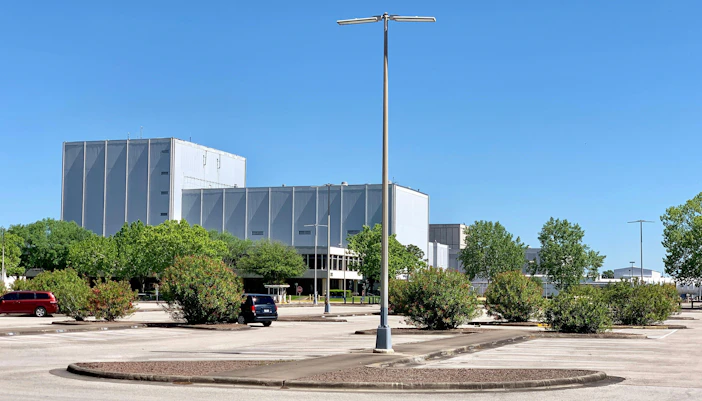
There is one public entrance, and the mistake most visitors make is assuming the real queue challenge is outside rather than at tram boarding once they're inside.
- Main entrance: Located at the front plaza on NASA Parkway. Expect 5–15 min waits during spring break, summer weekends, and special events.
When is Space Center Houston open?
- Monday–Sunday: Usually 10am–5pm
- Selected summer dates: Extended to 6pm on parts of the summer calendar
- Last entry: Late afternoon entry is possible, but the last tram tours run around 4:30pm and leave limited time for the outdoor exhibits
When is it busiest? Weekends, spring break, and late mornings in summer are the hardest windows, because tram boarding times tighten first and the indoor galleries get noticeably louder.
When should you actually go? Be there at opening on a Tuesday, Wednesday, or Thursday if you want first pick of tram times and a quieter run through the main exhibits before family crowds build.
How much time do you need?
| Visit type | Route | Duration | Walking distance | What you get |
|---|---|---|---|---|
Highlights only | Main galleries → Lunar and Mars Touch Lab → Independence Plaza → Rocket Park → exit | 3–4 hrs | Light to moderate indoor/outdoor walking | You cover the signature hardware and the strongest exhibit spaces, but you will likely skip the tram, most theater time, or both. |
Balanced visit | Main galleries → early tram tour → Rocket Park → Independence Plaza → one theater show → exit | 4–6 hrs | Moderate indoor/outdoor walking | This is the best fit for most first-time visitors because it adds the NASA campus feel and the Saturn V experience without turning the day into a marathon. |
Full exploration | Main galleries → tram tour → Historic Mission Control add-on or VIP stop → Rocket Park → Independence Plaza → theater show → presentations → exit | 6–8 hrs | Moderate to heavy indoor/outdoor walking | This is the version that feels complete, but it needs advance planning, extra stamina, and usually an upgraded ticket if Historic Mission Control is part of the route. |
How do you get around Space Center Houston?
The layout in practice
Space Center Houston is spread across a main exhibit building plus outdoor zones, so it feels easy at first and then bigger once you add the tram and Independence Plaza.
- Main building: Mercury, Gemini, Apollo, shuttle, ISS, theaters, and interactive exhibits → budget 90 min–2 hrs.
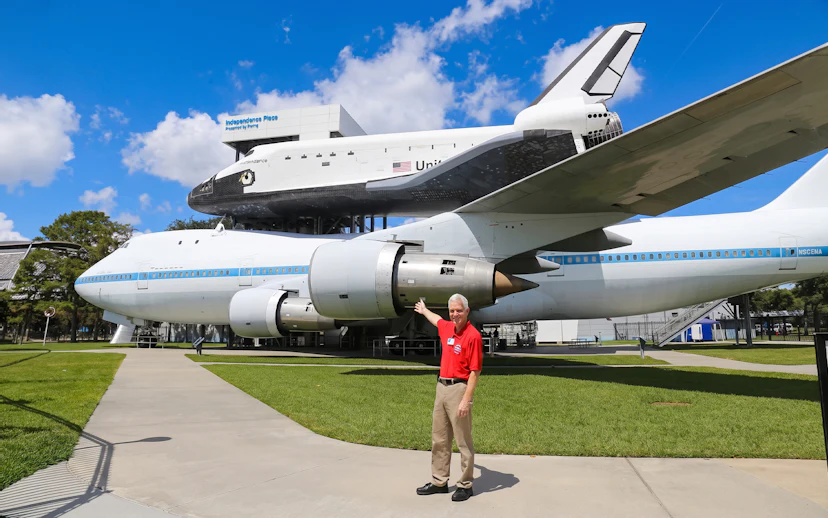
- Independence Plaza: Shuttle Independence and the NASA 905 carrier aircraft → budget 20–30 min.
- Rocket Park and tram stops: Saturn V rocket and NASA campus access points → budget 60–90 min for the standard tram, longer if you add Historic Mission Control.
Suggested route: Start with your tram plan, then do the main galleries while your slot approaches, and leave Independence Plaza for after the core indoor exhibits so you don't double back across the campus.

Maps and navigation tools
- Map: The visit naturally breaks into three parts - the main building, Independence Plaza, and the tram/Rocket Park side - so keep the day guide you pick up at entry with your boarding time.
- Signage: Wayfinding is good enough for the main exhibits, but the visit becomes less intuitive once you are balancing theaters, tram timing, and outdoor zones.
- Audio guide / app: A general self-guided museum visit works well without an app, but premium tours add more value here than an audioguide because the NASA campus stops depend on timing as much as explanation.
💡 Pro tip: Don't wander into your first gallery before sorting out the tram. At Space Center Houston, the smartest route is built around the boarding time you get at the start, not the exhibit nearest the entrance.
Where are the masterpieces inside Space Center Houston?
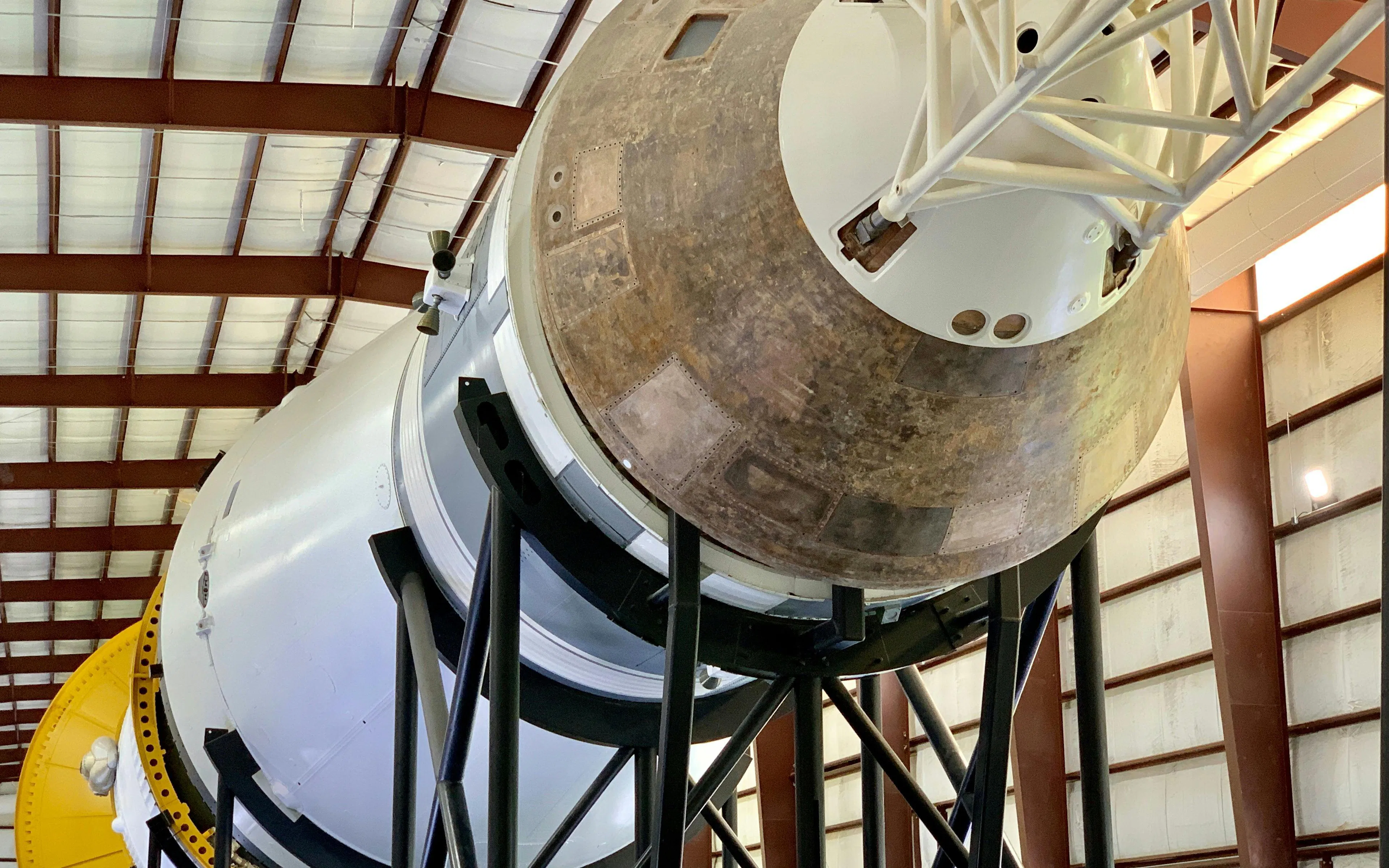
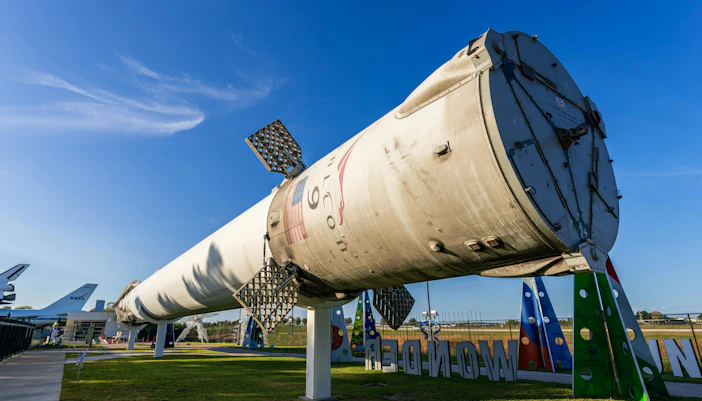
George W.S. Abbey Rocket Park
Attribute — Era: Apollo program hardware
The Saturn V is the emotional center of the visit because it instantly scales up what the Apollo program actually took to reach the Moon. Most visitors photograph the rocket from the side and move on too fast, but the better moment is standing underneath and taking in the staging and size from below. If you care about flown hardware, this is the stop to slow down for.
Where to find it: At Rocket Park, reached via the NASA tram route.
Independence Plaza
Attribute — Object type: Full-scale shuttle replica and shuttle carrier aircraft
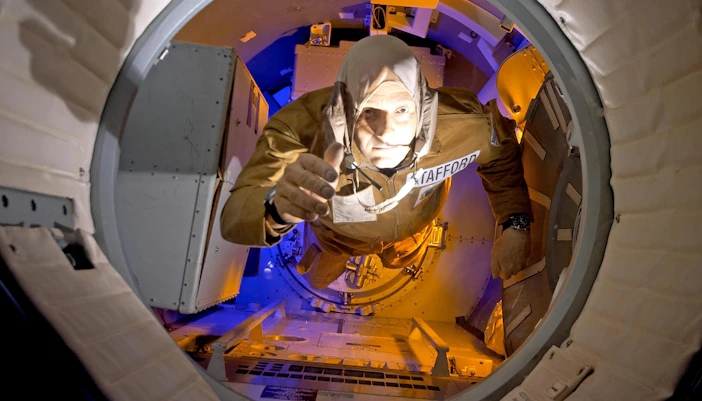
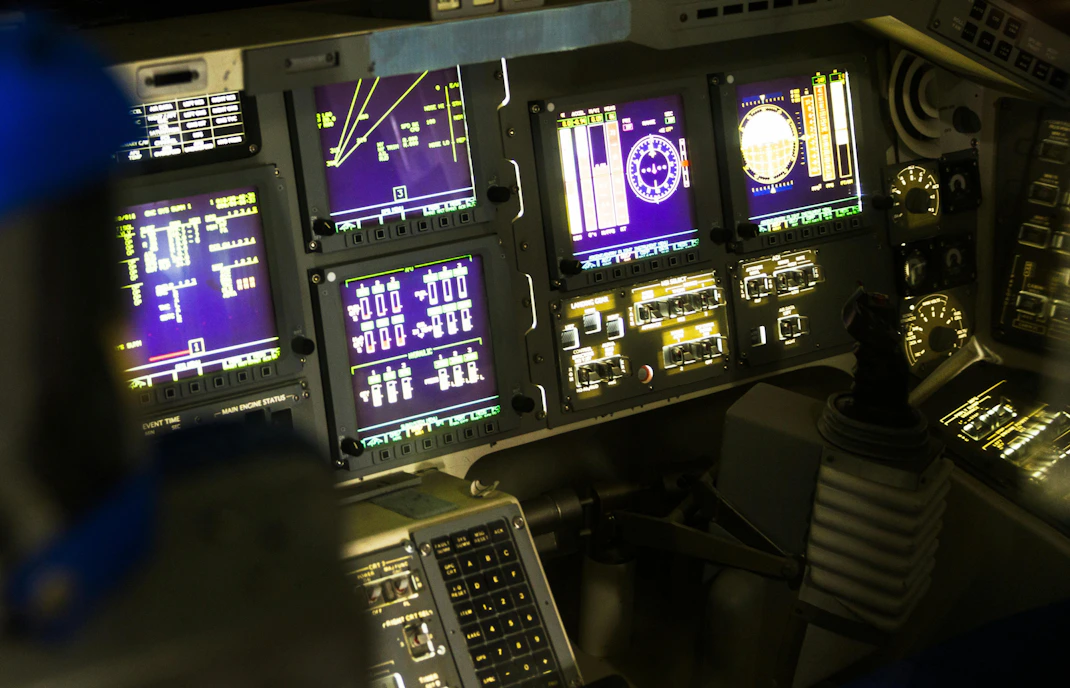
Independence Plaza is worth more time than many visitors give it because it is one of the rare places where you can actually walk through a shuttle-style interior instead of just looking at one from the floor. What gets rushed most is the upper-level perspective and the interior spaces once people have taken the exterior photo. Treat it as a real stop, not a backdrop.
Where to find it: In the outdoor plaza near the front side of the campus, separate from the main galleries.
Historic Mission Control Center
Attribute — Era: Apollo-era control room
This is the stop that gives the whole day more weight, because it connects the museum exhibits to the room where the Moon missions were actually managed. What most visitors miss is not the room itself but the access rule: it is not included with basic admission, so you have to plan for it early. If Apollo history matters to you, this is the upgrade that changes the visit most.
Where to find it: On the premium tram route inside Johnson Space Center.
Lunar and Mars Touch Lab
Attribute — Artifact type: Real rock samples
Touching lunar and Martian material is a small moment compared with the giant hardware, but it is one of the few parts of the day that turns space history into something tactile. Many visitors pass it because it does not look dramatic from a distance. Stop long enough to actually read what you are touching and why that matters.
Where to find it: On the main level near the food court area inside the central building.
International Space Station Gallery
Attribute — Theme: Life and work in orbit
The ISS gallery rewards a slower visit because its value is in the interactive stations, not in one giant photo object. Visitors often skim it on the way to bigger icons, but this is where the visit becomes more about how astronauts actually live, work, and solve problems in space. Give yourself time to test the hands-on displays instead of just walking through.
Where to find it: On the second level inside the main exhibit building.
Astronaut Training Facility
Attribute — Experience type: Campus tram stop
The Astronaut Training Facility adds the working-NASA dimension that the museum alone cannot provide. It matters because it shifts the day from historical artifacts to present-day preparation and operations. What gets missed here is that the tram stop is time-sensitive rather than physically hidden, so late arrivals often don't miss the building itself - they miss the slot that gets them there.
Where to find it: On the standard NASA tram tour route.
Facilities and accessibility
- 🎒 Lockers: Small-item storage is available, and larger bags, coolers, or bulky items are best left in your car rather than carried through screening.
- 🚻 Restrooms: Restrooms are available throughout the main visitor areas, and family visitors can also use baby-changing facilities.
- 🍽️ The Food Lab: The main on-site dining option serves quick, family-friendly meals and works best as a convenience stop rather than a destination lunch.
- 🛍️ The X-Shop: The main gift shop sits near the exit and is the best place for NASA-branded souvenirs, patches, and space-themed gifts.
- 🪑 Seating / rest areas: Seating is available through the building, which matters on a visit that can easily stretch past 4 hours.
- 🅿️ Parking: On-site parking costs $10, and driving remains the simplest arrival option for most visitors.
- 🩺 First aid / medical support: Large-venue visitor support is available on-site if you need assistance during a long museum and tram day.
- ♿ Mobility: Most public areas are wheelchair accessible, with ramps, elevators, and step-free access through the main exhibits, though some tram access questions are worth checking in advance if you use a larger power chair.
- 👁️ Visual impairments: Braille appears on major displays, but some exhibit spaces use low lighting, so it helps to pace the visit and ask staff for the clearest route on arrival.
- 🧠 Cognitive and sensory needs: Space Center Houston is a Certified Autism Center, but the loudest windows are still late-morning tram boarding and busy family periods on weekends and school breaks.
- 👨👩👧 Families and strollers: Stroller-friendly circulation works well through the main venue, and the restrooms include baby-changing facilities for longer family visits.
Space Center Houston works especially well for school-age children who like hands-on science, big vehicles, and short bursts of activity rather than quiet gallery browsing.
- 🕐 Time: 4–6 hours is realistic with children if you prioritize the shuttle, moon rocks, one tram ride, and the strongest interactive areas.
- 🏠 Facilities: Family visits are easier here because the venue includes baby-changing facilities, stroller-friendly access, seating, and a straightforward on-site food option.
- 💡 Engagement: Let children know early that they will get to walk through Independence Plaza and touch real lunar or Martian material, because those are the easiest anchors for the day.
- 🎒 Logistics: Arrive at opening, keep bags light for screening, and claim your tram timing before your child burns energy in the first interactive gallery.
- 📍 After your visit: Clear Lake Park is a useful nearby decompression stop if you want fresh air and space to move after a long indoor and tram-heavy day.
Rules and restrictions

What you need to know before you go
- Entry requirement: General admission is date-and-time based, and mobile tickets are scanned at the entrance lobby before you start the visit.
- Bag policy: All bags are screened, and large coolers or bulky luggage are better left in your vehicle rather than carried through entry.
- Dress guidance: There is no enforced dress code, but the mix of indoor air-conditioning, outdoor exhibits, and tram stops makes light layers the smarter choice.
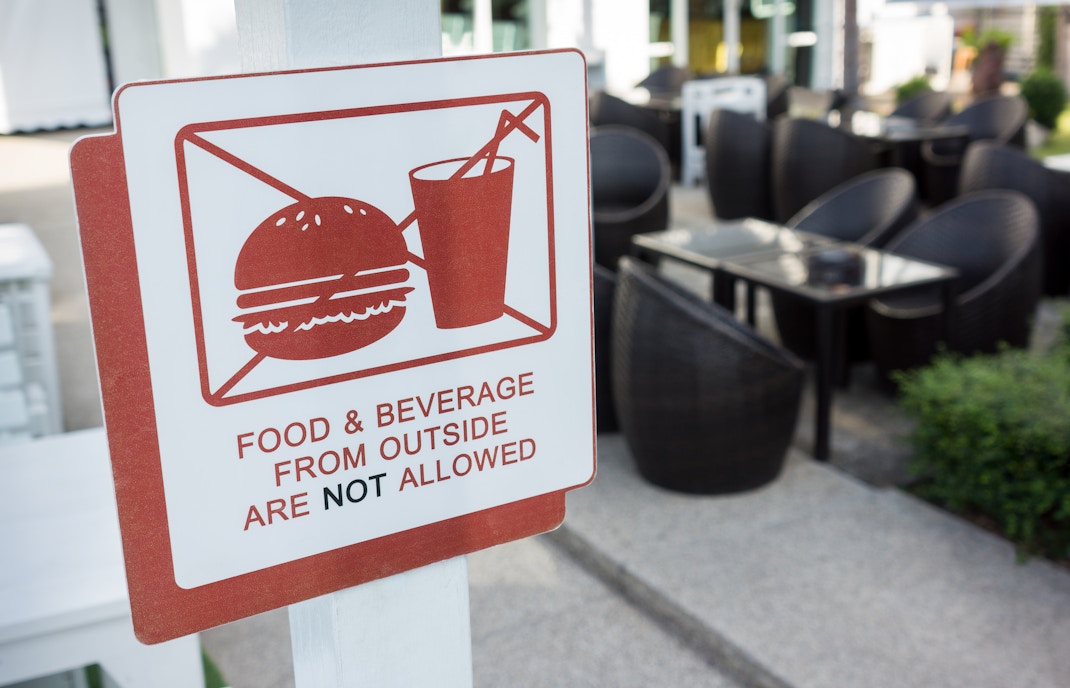
Not allowed
- 🚫 Food and drink: Outside food is limited to the front picnic area, and glass bottles are not allowed inside.
- 🖐️ Costumes and helmets: Space-themed costumes and helmets are not allowed inside the venue.
- 🚁 Drones and flying toys: Drones and similar flying devices are not allowed anywhere in the visitor areas.
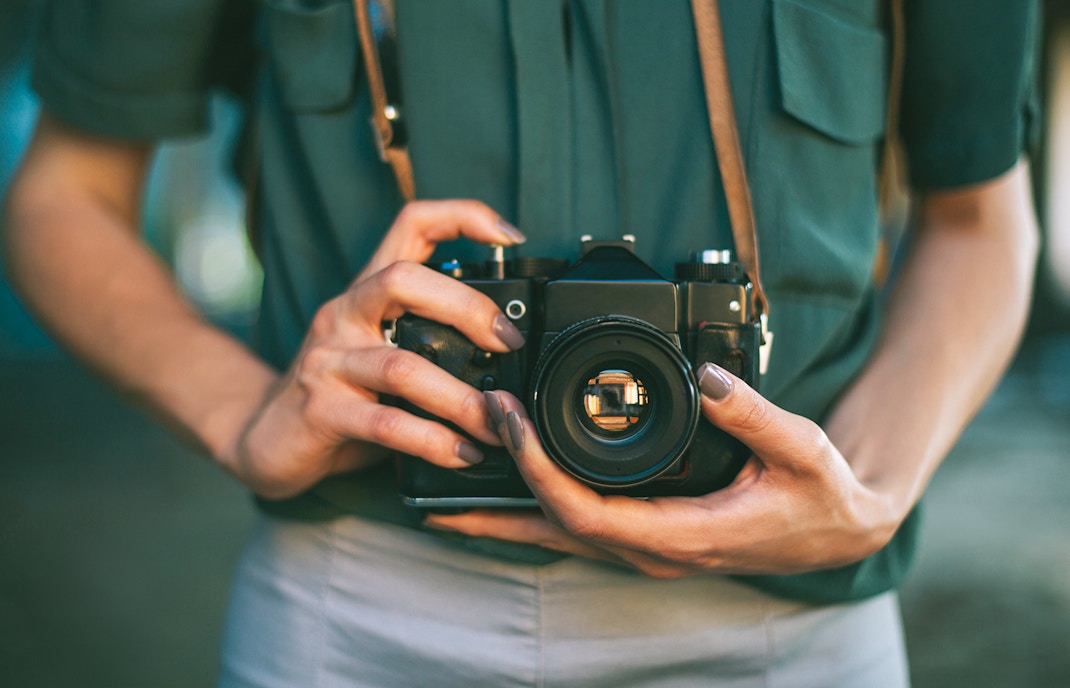
Photography
Photography is allowed through the public exhibit halls and outdoor displays, but restrictions apply in theaters and in NASA research or control-room spaces where posted signs or staff directions take over. The safe rule here is simple: photograph the museum and outdoor hardware freely, then assume any simulator, presentation room, or restricted campus stop may have tighter rules.

Good to know
- Tram boarding: The day gets much easier if you handle tram timing first, because the most desirable boarding windows tighten long before the galleries feel crowded.
- Young children on trams: Children under the age of 4 years must ride on a lap during the tram experience, which is worth knowing before you build the day around it.
Practical tips
- Booking and arrival: Book general admission ahead of time, but treat Historic Mission Control and VIP experiences as the real advance-planning items because those can sell out weeks before busy dates.
- Start with the tram: The most useful first move is getting your tram plan sorted as soon as you enter, because late-morning boarding times are the first part of the day to tighten.
- Pacing: Save your energy for Rocket Park, Independence Plaza, and the campus side of the visit; the main building is easier to dip in and out of than the timed tram experience.
- Crowd management: Tuesday to Thursday at opening is the strongest window because you get the calmest galleries and the best shot at the most convenient tram time before family crowds build.
- What to bring or leave behind: Bring a light layer for air-conditioned interiors and keep bags small, because screening slows down with bulky items and the visit already involves enough moving between indoor and outdoor spaces.
- Food and drink: Eat after your first major tram or outdoor stop rather than right after arrival, because an early lunch can cost you the smoothest boarding window of the day.
- With children: Anchor the visit around two tactile wins - the shuttle walk-through and the moon or Mars rock touch point - so the day feels concrete before the science-heavy galleries start to blur together.
What else is worth visiting nearby?

Commonly paired: Kemah Boardwalk
Distance: 6 mi — about 15 min by car
Why people combine them: It makes sense as the lighter, more relaxed half of a Bay Area day after a long museum visit, especially if you want water views, rides, or dinner by the marina.
Book / Learn more
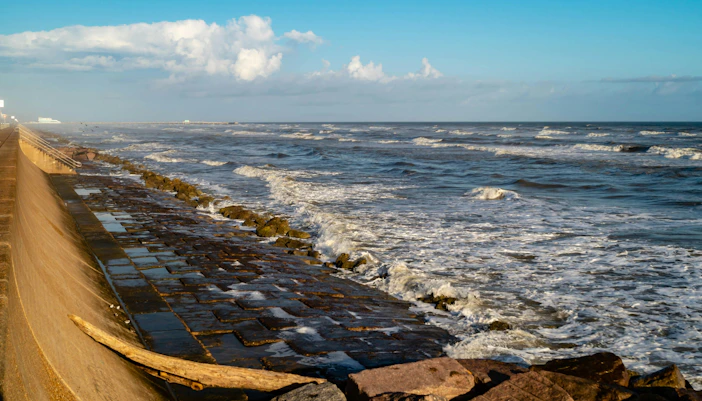
Commonly paired: Galveston Historic Seawall
Distance: Information unavailable — about 45 min by car
Why people combine them: It works well if you are turning your NASA visit into a full coastal day and want a complete change of pace after indoor exhibits and campus touring.
Book / Learn more
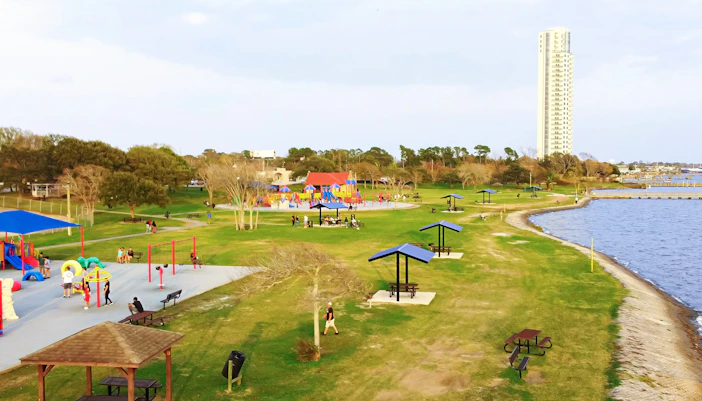
Also nearby
Clear Lake Park
Distance: 3 mi — about 10 min by car
Worth knowing: This is the easiest nearby cool-down stop if you want open air, a short walk, or space for children to move after the museum.
The Strand Historic District
Distance: Information unavailable — about 45 min by car
Worth knowing: If you are already heading to Galveston, The Strand gives you the historic-shopfront side of the trip rather than just the waterfront view.
Eat, shop and stay near Space Center Houston
- On-site: The Food Lab is the main in-venue option, serving quick, family-friendly food and working best as a practical lunch stop rather than a meal worth planning your day around.
- Better options nearby: Information unavailable.
- 💡 Pro tip: Don't stop for lunch too early - the better move is to secure your tram timing first, then eat once the most time-sensitive part of the day is locked in.
- The X-Shop: This is the main shopping stop on-site, with NASA-branded souvenirs, patches, and space-themed gifts positioned naturally at the end of the visit.
It can be worth staying near Space Center Houston if the NASA visit is the main reason for being in this part of the city, especially if you want a simple arrival and an easy start the next morning. It is less ideal as a first-time Houston base if you also want downtown, dining districts, or museums in the city core.
- Price point: Information unavailable.
- Best for: Visitors who want the least possible travel stress on the day of their Space Center Houston visit.
- Consider instead: Downtown Houston or the Museum District make better bases for longer stays if Space Center Houston is only one stop in a broader city trip.
Frequently asked questions about visiting Space Center Houston
Most visits take 4–6 hours. That usually covers the main galleries, Independence Plaza, Rocket Park, and one tram experience without turning the day into a rush. If you add Historic Mission Control or a premium tour, you can easily push the visit toward a full day.
Yes, you should book ahead if you are visiting on weekends, during school breaks, or if Historic Mission Control matters to you. Standard admission is date-and-time based, and the premium experiences are the parts most likely to sell out before the day of your visit.
No, because there is no meaningful skip-the-line product for the main visit. Timed entry already keeps the front-gate queue fairly manageable, and the bigger time risk is missing the tram or premium add-on timing you want rather than waiting outside the building.
Arrive about 15 minutes before your time slot. That gives you enough buffer for ticket scanning and bag screening, and it also helps if you want to sort out tram timing before the late-morning rush builds around the most popular boarding windows.
Yes, but keep it light. All bags are screened at entry, and large coolers or bulky luggage are not practical for this visit. A small day bag works best because you will be moving between indoor galleries, outdoor exhibits, and tram areas over several hours.
Yes, photography is generally allowed in the public exhibit halls and outdoor display areas. The important exception is that theaters, simulators, and some NASA research or control-room spaces can have tighter rules, so always follow posted signs and staff instructions in those areas.
Yes, and the site works well for groups because the visit naturally breaks into exhibits, tram stops, and shared presentation spaces. The trade-off is timing, since larger groups need to be more disciplined about arrival and tram planning if they want the day to feel smooth.
Yes, it is one of the more family-friendly major attractions in Houston. Children usually respond best to the shuttle walk-through, the tram, and the touchable science elements, while adults get more from the Apollo hardware, Saturn V, and any add-on tied to Historic Mission Control.
Mostly yes. The main public areas are designed with ramps, elevators, and step-free movement in mind, but if you use a larger power chair or want to confirm tram access, it is worth checking the latest accessibility details before the day of your visit.
Yes, food is available on-site at The Food Lab. It is best treated as a convenient lunch stop during a long visit rather than a destination meal, and many visitors find it easiest to eat after their first tram or outdoor stop rather than before.
Yes, Historic Mission Control is not included with basic general admission. It is one of the most important planning details for this visit because many first-time visitors assume it is part of the standard tram, then realize too late that it requires a separate reservation or premium tour.
Only in a limited way. Outside food is restricted to the front picnic area, and glass bottles are not allowed inside. If you want the simplest day, plan on either eating on-site or treating snacks as something to use before entry rather than during the core visit.