Plan your visit to Downtown Aquarium Houston

Downtown Aquarium Houston is a compact indoor aquarium paired with outdoor rides, and that mix changes how you should plan the day. The exhibit route itself is short enough to see in under an hour, but the Shark Voyage, Stingray Reef, and midway rides are what stretch the visit into a real outing. Most disappointment comes from buying the wrong ticket or arriving at the busiest lunch-hour window. This guide covers timing, entry, tickets, and the route that makes the visit feel worth it.

Quick overview: Downtown Aquarium Houston at a glance

If you're deciding how much time and money to commit, these are the details that change the visit most.

  • When to visit: Monday–Thursday from 10am–8:30pm and Friday–Saturday from 10am–10pm for the indoor aquarium; Tuesday at 10:15am is noticeably calmer than Saturday from 12 noon–4pm, because the compact galleries, Stingray Reef, and ride queues all fill at once after lunch.
  • Getting in: From $26.99 for the all-day pass; book ahead for weekends if you want to skip the ticket counter, but weekday mornings rarely need much advance planning.
  • How long to allow: 2–3 hours works for most visitors, and it stretches closer to 4 hours if you add repeat rides, feeding time at Stingray Reef, or a sit-down meal.
  • What most people miss: The Texas Bayou and Rainforest exhibits get rushed because many visitors head outside too quickly, and exhibit-only visitors often do not realize the Shark Voyage is not part of their base ticket.
  • Is a guide worth it? No, because this is a self-guided venue where the better decision is choosing the right ticket and timing your indoor route before the midway gets busy.

Jump to what you need

Where and when to go

How do you get to Downtown Aquarium Houston?
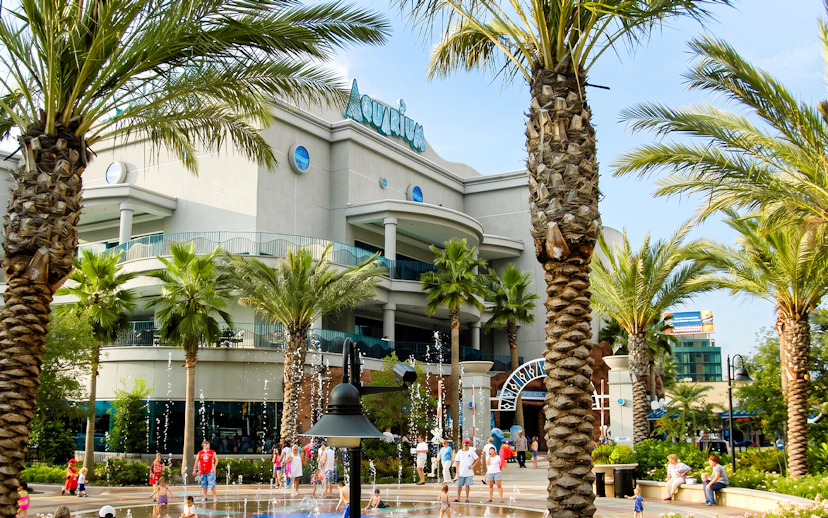
The aquarium sits on Bagby Street at the north-west edge of downtown Houston, about 0.5 mi from Downtown Transit Center and easy to reach by car or rideshare.

Address: 410 Bagby St, Houston, TX 77002 | Find on Maps

  • Driving: Approach via I-45 toward downtown, then use the cashless lot behind the building and pay by QR code on your phone; budget about $15 for parking.
  • METRORail: Minute Maid Park or Wheeler station → about 12 min walk → follow Bagby Street to the main entrance.
  • Bus: Downtown METRO stops near La Branch and Dallas → short walk/transfer → best if you're already moving around central Houston.
  • Taxi/rideshare: Drop-off at 410 Bagby St → direct front-door access → simplest choice on busy weekends.

Which entrance should you use?

There is one official entrance, and the mistake most visitors make is assuming an online ticket creates a separate fast lane. It does not — everyone checks in at the same front gate.

  • Main entrance: Located on Bagby Street at the front ticket booth and Will Call window. Best for every visitor type. Expect about 0–5 min wait on quiet weekday mornings and around 10–15 min on weekend afternoons.

When is Downtown Aquarium Houston open?

  • Aquarium exhibits, Monday–Thursday: 10am–8:30pm
  • Aquarium exhibits, Friday–Saturday: 10am–10pm
  • Rides and outdoor attractions, Sunday–Thursday: 10:30am–8:30pm
  • Rides and outdoor attractions, Friday–Saturday: 10:30am–10pm

When is it busiest? Saturday and holiday afternoons are the tightest window because the indoor aquarium, Stingray Reef, and ride lines all peak together after lunch.

When should you actually go? Arriving just after 10am on a Tuesday or Wednesday gives you the quietest galleries and the easiest ticket pickup before the midway starts filling.

Saturday lunch is when the compact layout feels busiest

Once weekend visitors spill from the indoor tanks to Stingray Reef and the midway, every part of the venue feels more crowded than it looks on paper. If you want the same ticket to feel better value, come close to opening or after 4pm instead.

How do you get around Downtown Aquarium Houston?

Aquarium and midway layout

Downtown Aquarium Houston is compact and mostly linear indoors, then opens into an outdoor midway, so it is easy to self-navigate but just as easy to burn through the best parts too quickly.

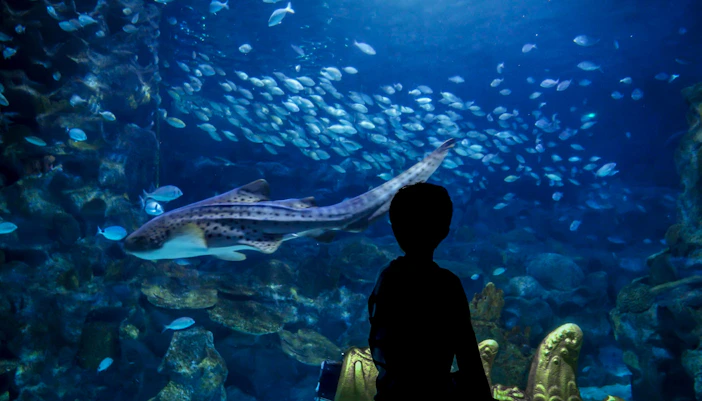
  • Aquarium Adventure Exhibit: One-floor indoor route through Texas Bayou, Shipwreck Reef, Sunken Temple, Underwater Rig, and Rainforest displays → budget 30–45 min.
  • Stingray Reef: Side stop connected to the visit flow rather than a separate detour → budget 10–15 min if you want feeding time, not just a quick look.
  • Outdoor midway: Shark Voyage, Ferris wheel, carousel, Frog Hopper, and family rides → budget 45–90 min, or longer with children.
  • Restaurant and midway break time: Best saved for the back end of the visit → budget 30–60 min only if you plan a meal or longer pause.

Suggested route: Start with the indoor aquarium at opening, do Stingray Reef before the midway gets busy, and use the Shark Voyage first once you step outside because that queue grows faster than the gentler rides.

Maps and navigation tools

  • Map: The venue is simple enough to navigate without a printed map, so the key decision is not wayfinding but whether you're doing exhibit-only or an all-day route before you enter.
  • Signage: Indoor wayfinding is straightforward, but the handoff from galleries to midway is where most visitors move too fast and miss side stops like Stingray Reef.
  • Audio guide/app: This is essentially a self-guided visit built around exhibit panels and posted ride rules, so you do not need to budget pickup time for devices or headphones.

💡 Pro tip: Do the Shark Voyage right after you finish the indoor tanks, once families reach the midway after lunch, that queue usually builds faster than the carousel or Ferris wheel.

Which animals and habitats should you prioritise?

Shark Voyage train at Downtown Aquarium Houston
1/6

Shark Voyage train

Habitat / ride type: Outdoor train ride through a shark tunnel

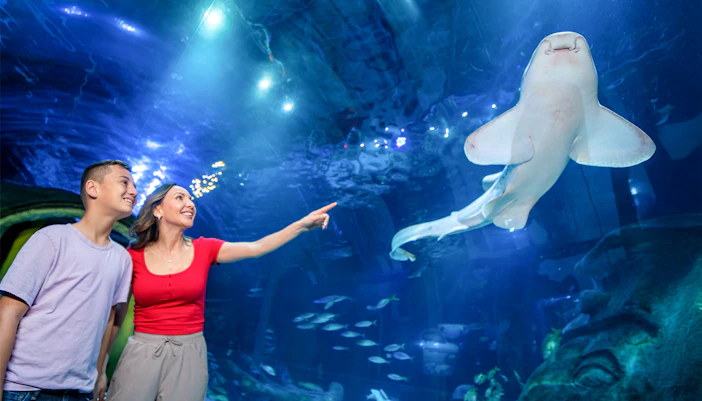
This is the most distinctive part of the visit because it turns a simple ride into a face-to-fin pass through a 200,000-gallon shark tank. Most visitors focus on the midway label and do not realize the real payoff is the tunnel section with sharks and the sawfish overhead. If you bought exhibit-only entry, this is also the thing you are most likely to miss without realizing it.

Where to find it: In the outdoor midway, beside the large shark tank structure.

Stingray Reef

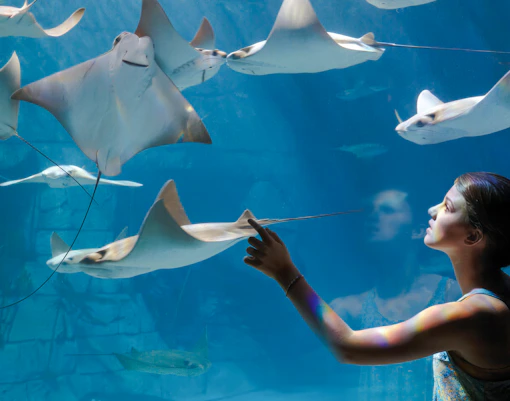
Species / experience type: Atlantic stingrays in a touch-and-feed pool

Stingray Reef is where the visit becomes interactive rather than just visual, which is why families linger here longer than they expect. The easy detail to miss is that entry and feeding work differently depending on your ticket, so it pays to know that before you join the line. If you want one hands-on stop that feels different from the tanks, make it this one.

Where to find it: Near the indoor aquarium route, before you fully commit to the outdoor midway.

Texas Bayou exhibit

Habitat: Gulf Coast freshwater environment

This is one of the most locally grounded parts of the aquarium, with alligators, turtles, frogs, and other species tied to the Gulf Coast landscape. Because it is near the front of the visit, people often breeze through it on the way to the flashier reef tanks and rides. Slow down here if you want the venue to feel more Houston-specific and less generic.

Where to find it: Early in the indoor Aquarium Adventure Exhibit route.

Shipwreck Reef exhibit

Habitat: Coral reef scene set inside a sunken ship

Shipwreck Reef is one of the strongest visual tanks in the building, with clownfish, tangs, groupers, and a moray eel woven into a themed wreck backdrop. What people miss is that it rewards a second look rather than a quick photo, especially around the darker corners where smaller reef species disappear at first glance. It is one of the indoor exhibits worth holding your pace for.

Where to find it: Midway through the main indoor gallery route.

Sunken Temple exhibit

Habitat: Tropical marine tank with themed temple setting

This exhibit stands out because the temple staging gives the tank a more dramatic look than the rest of the indoor route. Visitors often rush past the details in favor of the larger shark-branding outside, but this is where the indoor section feels most theatrical. It is also one of the exhibits that helps the compact aquarium feel more layered than its footprint suggests.

Where to find it: In the central section of the indoor aquarium galleries.

Rainforest exhibit

Habitat: Tropical freshwater and rainforest species

The Rainforest section is easy to underrate because it sits later in the visit, right when attention starts drifting toward rides. That is a mistake: the mix of piranhas, freshwater rays, frogs, and the emerald tree boa gives the aquarium its sharpest change of habitat. If you want variety rather than just more fish, this is the indoor zone to save a few extra minutes for.

Where to find it: Toward the later part of the indoor Aquarium Adventure Exhibit.

Most visitors move outside before they've really finished the indoor aquarium

The compact layout makes people think they have already seen everything once they spot the midway, which is why the Texas Bayou and Rainforest exhibits get rushed more than they should. Finish the indoor route properly before you step outside.

Facilities and accessibility

  • 🎟️ Ticket booth and Will Call: Mobile vouchers and advance bookings are redeemed at the front booth, where staff issue the wristband you need for rides and included experiences.
  • 🍽️ Aquarium Restaurant: There is an on-site restaurant if you want to turn the visit into lunch or dinner, and it works better as a planned stop than a quick bite between rides.
  • 🦈 Stingray Reef access: The touch pool is part of the all-day pass, while stand-alone entry and fish food are separate add-ons if you did not buy the broader ticket.
  • 🅿️ Parking: Use the cashless lot behind the building and pay by QR code on your phone; it is the simplest option, but weekend spaces tighten first.
  • 🎠 Ride wristband: Keep your wristband on all day because staff check it for the Shark Voyage, midway rides, and other included areas.
  • Mobility: The main Bagby Street entrance is step-free and the aquarium is wheelchair accessible, so the indoor route is the easiest part of the visit to do end to end.
  • 👁️ Visual impairments: Expect a mostly self-guided visit built around tanks, exhibit labels, and staff help at entry rather than a dedicated audio-first format.
  • 🧠 Cognitive and sensory needs: The indoor galleries are calmer and more predictable than the midway, which gets louder once rides, games, and family crowds build after lunch.
  • 👨‍👩‍👧 Families and strollers: The venue is easiest with strollers if you do the aquarium first and the rides second, because height checks and ride queues slow the pace more than the exhibit route does.

Downtown Aquarium Houston works best for younger children and mixed-age families because the visit combines short indoor animal viewing with easy-to-understand rides and one hands-on animal stop.

  • 🕐 Time: 2–3 hours is realistic with children if you pair the aquarium with a few rides, while younger kids often spend longest at Stingray Reef and the gentler midway attractions.
  • 🏠 Facilities: The easiest family setup is an all-day ticket because it folds the Shark Voyage, Stingray Reef, and rides into one plan instead of repeated add-on decisions.
  • 💡 Engagement: Save the Shark Voyage for the moment attention starts to dip indoors, because the shark tunnel is what often resets energy for the second half of the visit.
  • 🎒 Logistics: Bring a small bag, arrive close to opening, and check height rules before promising specific rides, especially if your child is close to the cutoff.
  • 📍 After your visit: Sam Houston Park is a short walk away and works well for a quick outdoor reset if your kids still need room to move after the midway.

Rules and restrictions

What you need to know before you go

  • Entry requirement: Bring your ticket and a valid ID to the front ticket booth or Will Call window, where staff exchange your booking for a wristband.
  • Bag policy: Bags go through screening at the main entrance, so a small day bag is easier than carrying extra gear you cannot use inside.
  • Visit planning: Do the indoor aquarium before a long meal or midway break, because the venue works best as one continuous route rather than stop-start wandering.

Not allowed

  • 🚫 Food and drink: Outside food and drinks are not allowed inside the Downtown Aquarium.
  • 🐾 Pets: Pets are not allowed inside the venue.
  • 🖐️ Ride rule violations: Follow all posted ride rules and height restrictions, because operators enforce them ride by ride rather than at one central checkpoint.

Photography

Personal photography fits naturally into this visit, but your practical restrictions are more likely to come from ride safety and any posted instructions inside animal-interaction areas than from the indoor tanks themselves. If you plan to film or carry extra gear, check the signs before boarding rides or entering Stingray Reef, because that is where rules are most likely to affect you.

Good to know

  • The biggest surprise: The aquarium galleries are compact, so exhibit-only tickets can feel short if you expected a half-day indoor aquarium.
  • Ticket value: If you know you want Stingray Reef, Shark Voyage, and several rides, the all-day format is simpler than paying separate add-ons once you are already inside.

Practical tips

  • Booking and arrival: Book ahead for Saturday visits so you can skip the ticket counter and go straight to voucher validation, but on a quiet weekday the real time saved may be only about 5–10 min.
  • Pacing: Do not burn your energy on the midway first, because the indoor aquarium takes only about 30–45 min and feels more rewarding when you are still paying attention to the habitats.
  • Crowd management: A 10:15am Tuesday or Wednesday arrival is the sweet spot here, since you get calm tanks first and still reach the Shark Voyage before family queues build outside.
  • What to bring or leave behind: Bring a small bag and keep your phone charged, because parking is cashless and paid by QR code, while large extras only slow down screening and add nothing to the visit.
  • Food and drink: If you plan to eat on site, finish the indoor aquarium first and aim for an early or late meal, because lunch-hour breaks overlap with the busiest ride window and make the compact venue feel more crowded.

What else is worth visiting nearby?

Commonly paired: Sam Houston Park

Distance: 0.3 mi — 6 min walk
Why people combine them: It gives you an easy outdoor reset after a compact indoor visit, and it works especially well if children still need space to move.

Commonly paired: Buffalo Bayou Park
Distance: 0.8 mi — 15 min walk or a short rideshare
Why people combine them: The aquarium is short enough that pairing it with a bayou walk makes a more balanced half-day without committing to another major indoor attraction.

Also nearby

POST Houston
Distance: 0.8 mi — 15 min walk
Worth knowing: Its food hall and rooftop views make it one of the easiest post-visit dinner stops if you want to stay downtown.

Theater District
Distance: 0.4 mi — 8 min walk
Worth knowing: If you visit in the late afternoon, this is the simplest nearby area to turn the aquarium into an early dinner and evening-show plan.

Eat, shop and stay near Downtown Aquarium Houston

  • On-site: Aquarium Restaurant, inside the complex, is the easiest zero-logistics option, but it works better as a sit-down meal than a quick snack between rides.
  • POST Market (15-min walk, 401 Franklin St): Food hall, mixed price points, and the most flexible choice if everyone wants something different after the visit.
  • Birraporetti's (10-min walk, 500 Louisiana St): Italian-American plates in the Theater District, useful if you want a proper meal before an evening show.
  • Treebeards (15-min walk, 1100 Louisiana St): Houston comfort food at moderate prices, and a reliable weekday lunch if you want something more local than on-site dining.
  • 💡 Pro tip: If you want the rides first, eat before 12 noon or after 2pm, that avoids overlapping your meal with the busiest midway queues.
  • Downtown Aquarium gift shop: Aquarium-themed toys and easy kid-focused souvenirs right on site, best if you want a quick purchase without another stop.
  • POST Market: Small specialty vendors plus casual browsing, useful if you want a flexible downtown stop rather than a formal retail run.
  • The Shops at Houston Center: Everyday retail and service stores deeper into downtown, better for practical pickups than destination shopping.

Downtown Houston is convenient for a short stay because the aquarium sits near the Theater District and rideshare times to other central attractions stay manageable. It is less ideal if you want a neighborhood packed with late-night cafés or boutique hotels, but it works well for multi-attraction sightseeing and family logistics.

  • Price point: The area skews mid-range and business-travel-friendly, with better weekend value than during weekday convention periods.
  • Best for: Short trips where you want easy access to downtown sights, simple parking decisions, and a fast ride back after dinner.
  • Consider instead: Montrose or the Museum District if you want a stronger food scene, a less corporate evening atmosphere, or a better base for longer Houston stays.

Frequently asked questions about visiting Downtown Aquarium Houston

Most visits take 2–3 hours. If you are only doing the indoor aquarium, you can move through it in about 30–45 min, but Stingray Reef, the Shark Voyage, and repeat rides are what turn it into a longer family outing.

More reads